
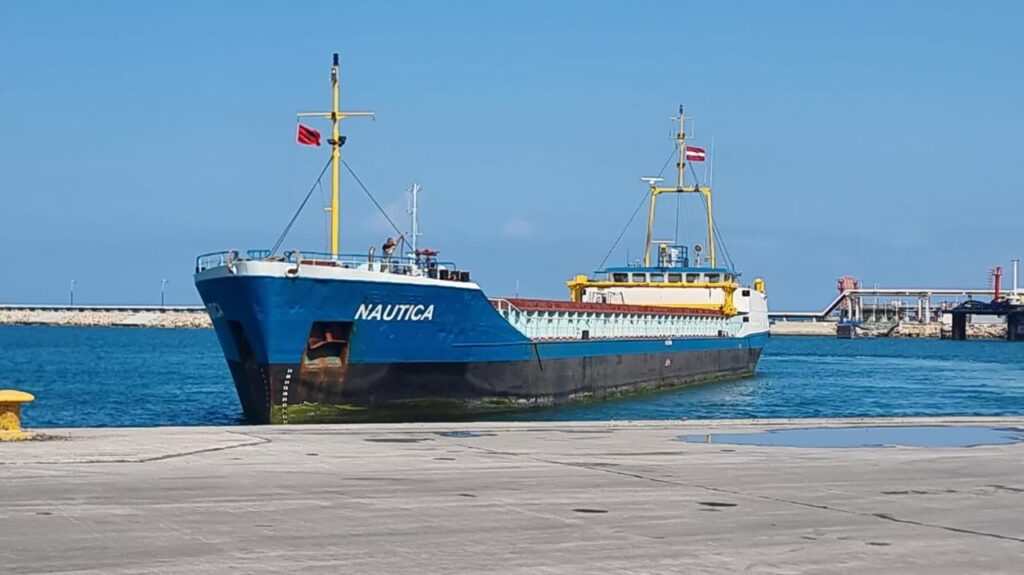
Chartering is how cargo owners and shipowners agree to move a cargo from one port to another. In the dry cargo market, getting the right vessel at the right terms has a direct effect on cost, timing and risk.
Vessel sourcing
The first step is matching the cargo with a suitable ship: size, hold configuration, gear, trading area and availability for the required loading window (laycan). Good sourcing considers not only price but also the vessel’s suitability for the cargo and ports.
Freight negotiation
Once a suitable vessel is found, the parties negotiate freight rate, laytime, demurrage and despatch, payment terms and other conditions. These are recorded in a recap and then in the charter party.
Charter-party documentation
The charter party is the contract that governs the voyage. Clear terms protect both sides and prevent disputes. Operational documents such as Notices of Readiness, Statements of Facts, time sheets and laytime calculations follow during the voyage.
Operational coordination
After fixing, the work continues: aligning ETA with terminal schedules, confirming cargo readiness and berth availability, and keeping shippers, receivers, agents and owners informed. This is where many delays are prevented.
Experience on both sides
For more than 20 years we have focused on the dry cargo market, both operating our own vessels and offering chartering services to other shipowners and charterers. That experience helps us fix voyages that work in practice, not only on paper.
Looking for tonnage or cargo? Contact our chartering desk or read about our dry cargo chartering services.